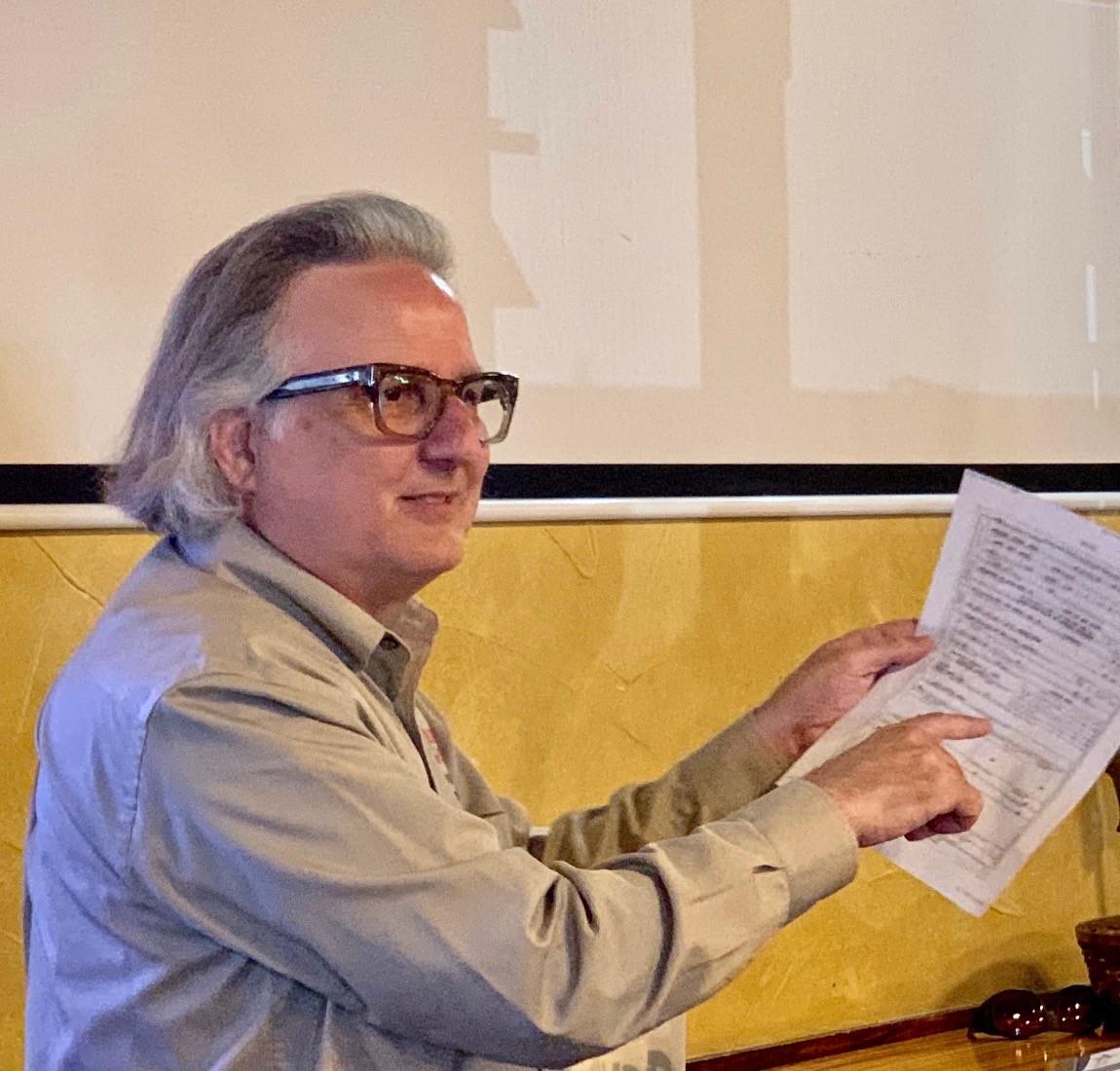
Our speaker was Rush Evans on "military discharge upgrades." Rush Evans works on the veterans program at Texas Legal Services Center, a non-profit providing free legal services for different Texas populations. The veterans program serves low-income Texas veterans and their spouses by phone on civil matters. Rush is neither a veteran or a lawyer, but he has enjoyed serving veterans for nearly nine years. In 2018, he regularly visited veterans treatment courts in Texas, at which time he began researching and writing discharge upgrade requests for veterans who did not receive an Honorable discharge from their military service. Rush first discussed the Veteran’s Treatment Court, which is a diversion process to help with criminal charges. It has strict requirements for a year, and if they met charge goes away. While being involved in the Veteran's Treatment Court, Rush me veterans with bad discharge papers, and starting looking trying to get discharge upgrades. A discharge paper is a resume, and if doesn’t say honorable, it is hard to get job or use GI bill to get education. Traumatic brain injuries and PTSD can lead to bad things happening, which should be taken into consideration when looking at discharge, but often times the military follows the strict rules and just discharges someone who as violated military rules. There is a presumption of regularity, so the burden on veteran to show discharge classification was wrong. Rush works with veterans to write narrative to go with form requesting change, including medical records and other exhibits. In order to have a chance to succeed, veterans need an advocate to help with the process. 15-20 percent of upgrade applications are successful, and it takes 12-24 months to get a reply. Hopefully, Rush will be successful and get these deserving veterans the discharge upgrade they need to help them succeed in the civilian world.