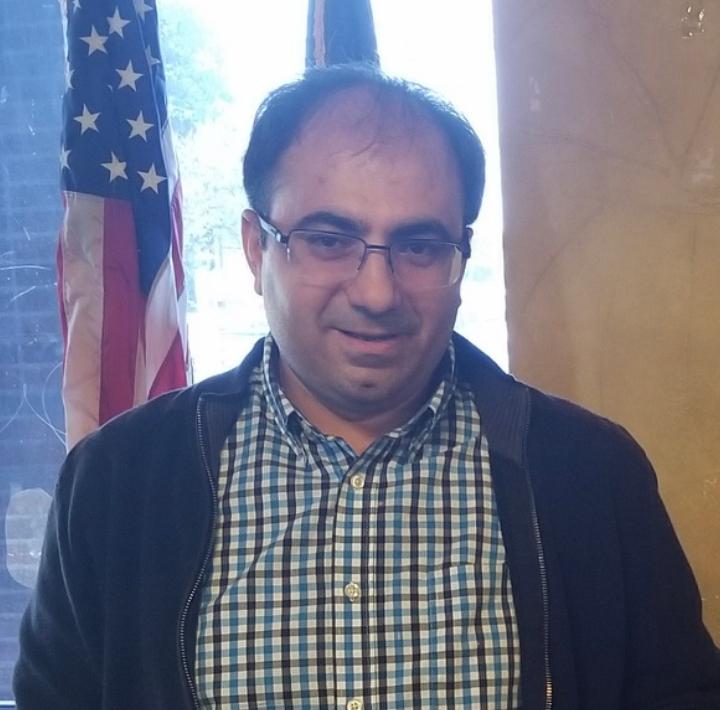
Nadir Akkus, Director or the Raindrop Foundation, and his Assistant, Seyit Erkal, plus Yasin Selcuk, a businessman in Austin about a month, were our guests for the October 16 meeting. Nadir Akkus briefly described his work at Raindrop Foundation cultural center as one of helping immigrants integrate into the American culture, providing classes (language and cooking being most popular), and sponsoring church festivals and other occasions for dialogue. The major portion of his time was spent addressing the history of Turkey, the “land of the Turks.” Until 1923 when a coup produced an independent, self-ruling nation, the land had been under the control of the Ottoman Empire. The country thrived under an elected leadership until 2002 when it elected a man considered a hero because he had been jailed for progressive political views. He promised civil rights reform and addressed many other issues supported by the populace. By 2013, however, his leadership was corrupted, and the system changed. He dismissed cabinet heads, assuming all aspects of power. He changed the constitution, took total control of the press, essentially becoming a dictator and amassing unknown millions in wealth. Political rivals and student activists were and are imprisoned. Following a failed coup d'etat in 2016, Erodogan redoubled his control of all resistance in the country. Large numbers of law enforcement professionals and teachers were arrested and imprisoned. Also all existing Turkish passports were cancelled, restricting Turkish nationals from international travel. Such is the situation today. When asked if he saw a way forward, Nadir said there are pockets of resistance but he saw little hope in the near future. Nadir Akkus noted that 10 percent of the population of Turkey are of the Alawite sect of Islam. As this is the primary belief of Syria, there may be internal discord in Turkey due to the recent incursion into Syria. In the meantime, Turkish intellectuals are leaving the country and Russia is becoming a strong influence. When these three men were asked if they felt safe in the United States, they all answered a firm “yes.”